
The Project
of the Rescale project
Green & Digital Transition
Abstract of the Project

The 2020 OECD data show that 9% of adults (25–64) with below-upper-secondary education are unemployed, while many in-transition workers, unemployed and inactive adults do not join adult education. As the EU notes, the green transition and digital transformation will affect sectors unevenly. RESCALE responds with an innovative approach to up- and reskilling these groups for new tasks and jobs, enabling moves from declining sectors into the green and digital economy through a network of Reskilling Labs across Europe.

Reskilling Lab
Build and pilot an innovative “Reskilling Lab” infrastructure that strengthens transversal, basic, digital and green skills. The Labs are informed by a comparative analysis of European education and labour-market systems focused on up- and reskilling.
Tools & Models
Deliver an assessment tool to identify skills and a European Reskilling Labs model: a Lab blueprint, an enhanced career guidance / counselling / mentoring framework, plus innovative training materials and methods.
Implementation & Impact
Run Labs in 7 countries for 210–350 participants, conduct scientific evaluation, and publish a digital manual & roadmap for practitioners. Provide a policy model with a digital decision-support prototype and a business model to scale effective up-/reskilling strategies.
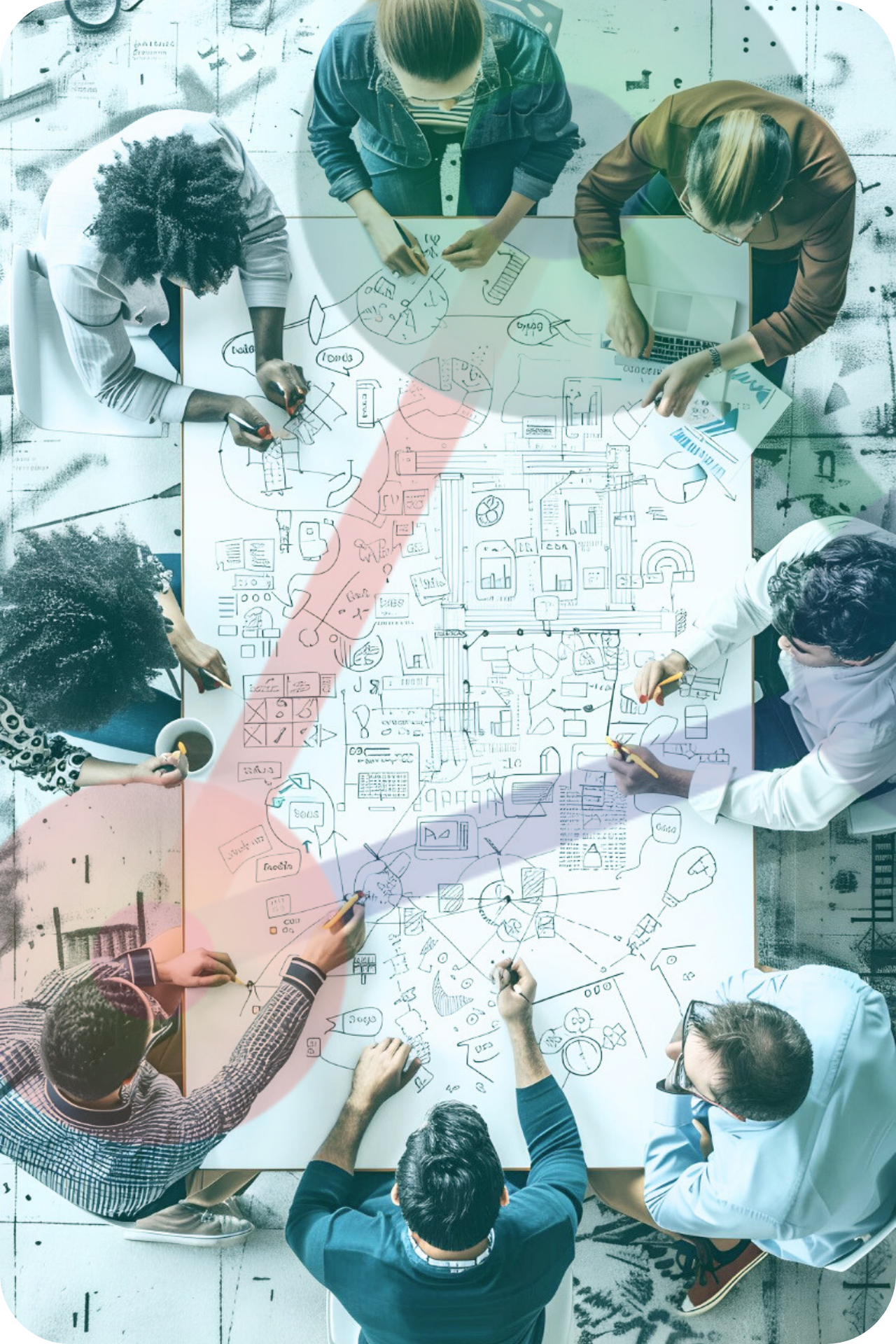
Mission statement and preconditions of RESCALE
Our Mission
The 2020 OECD statistics show that 9% of the 25-64 year-olds with an educational level below upper secondary school are unemployed. Besides, lots of in-transition workers, unemployed and inactive adults are not joining adult education. In addition, the EU argues that the green transition and digital transformation is likely to unevenly affect sectors. Therefore, the RESCALE project will develop an innovative approach to up- and reskill skills of in-transition workers, unemployed or inactive adults for new tasks and new jobs in particular from declining sectors into the green and digital economy. By developing an innovative infrastructure called the ‘Reskilling Lab’, the labor market position and level of proficiency of transversal, basic, digital and green skills of these vulnerable adults will be improved.
The partners of the consortium strive for the following ambition:
- 1To address the challenges of our lives and working life by reskilling and upskilling the skills of people for the rest of their lives based on a European model for future skills, which works for a variety of people
- 1To address the needs of companies concerning recruitment of new employees even and more than ever the retrained low skilled
- 1To benefit the expertise of different collaborators and stakeholders for the most vulnerable of the society
- 1To cooperate with multiple countries, partners and explore experiences and expertise
- 1To empower different people in the field of education and on the labor market
- 1To find an innovative approach in dealing with a very important challenge of our society, which is not easy to deal with
- 1To find possible solutions for the diversity of the involved countries and partners in addition to a great learning opportunity for the partners themselves
- 1To give an answer on the big changes in the labor market
- 1To give low skilled and / or low educated people a chance to get a better feeling of live
- 1To help vulnerable adults to find a sustainable and empowering place on the labor market
- 1To help workers who were left behind to find a new motivation and being passionate
- 1To learn from each other
- 1To realize a more professional field of adult education
- 1To realize a well-educated workforce, which contributes to a more competitive and innovative economy
- 1To seek for solutions of how the digital and green transitions can be inclusive
Our Partners



EU Funding
Shaping Skills for Europe’s Future
The RESCALE project is funded by the European Union to support reskilling and upskilling for adults facing labor market challenges. Through the creation of innovative Reskilling Labs, the project strengthens transversal, digital, green and basic skills, ensuring that vulnerable groups can successfully adapt to the green and digital transitions.